The Complete Guide to Vacation Rental Marketing in 2026
Vacation rental marketing is not the same as having a listing on Airbnb. A listing is a presence. Marketing is a system. This guide covers what that system looks like, which channels matter, and the order to build them.
Quick Summary: Vacation rental marketing is the system that gets your property found, converts browsers into bookers, and builds repeat guests who bypass the OTAs. It covers five core channels: SEO, content marketing, email marketing, paid advertising, and direct booking strategy. This guide explains how each works and the order to build them.
Most short-term rental owners have a listing. Few have a system.
Marketing puts your property in front of the right people, gives them a reason to book you over the alternatives, and gets them to come back without paying Airbnb a commission to remind them you exist.
Why Airbnb Is Not a Marketing Strategy
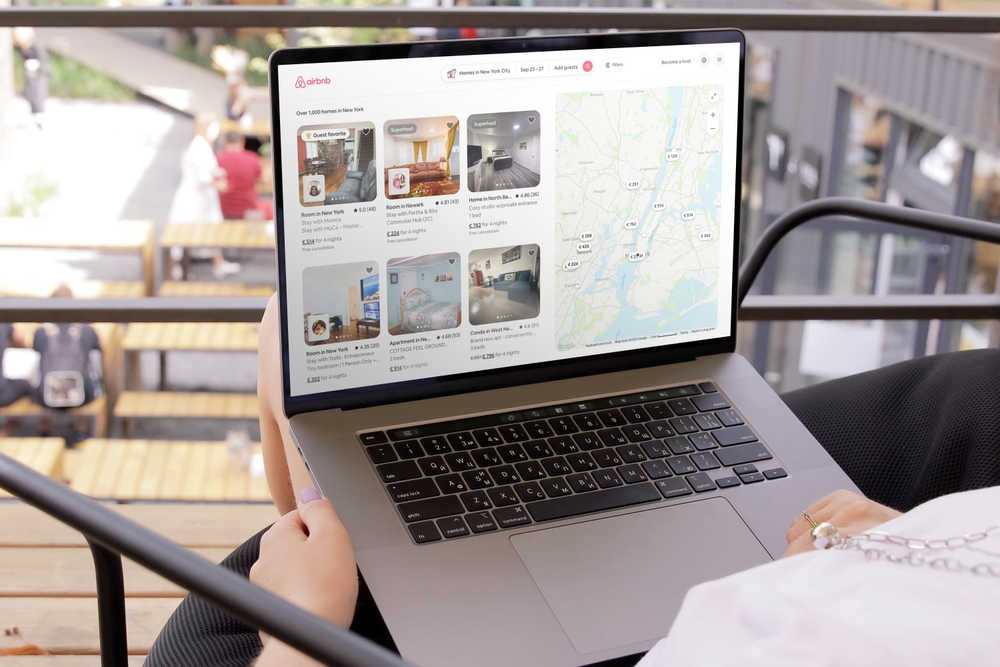
OTA platforms like Airbnb, VRBO, and Booking.com are distribution channels, not marketing partners. They control your visibility, collect 3% to 20% per booking, and own the guest relationship.
On a property doing $60,000 a year, a 15% OTA commission is $9,000 in fees. For a co-host managing five properties, that number is $45,000 annually.
The platforms also change their algorithms. When they do, your revenue changes with them.
The goal is not to leave the OTAs. They generate real demand, and for newer properties, they are hard to replace. The goal is to stop depending on them as your only channel.
The 5 Channels That Make Up a Vacation Rental Marketing System
What Is SEO for Vacation Rentals?
Vacation rental SEO is how potential guests find your property or your direct booking website through Google, without you paying for that click.
It operates at two levels:
- Platform SEO: How your listing ranks inside Airbnb and VRBO. Affected by response rate, reviews, listing completeness, photo quality, and pricing competitiveness.
- Website SEO: How your direct booking website ranks on Google. Requires keyword research, content strategy, and technical setup. Slower to build, but traffic earned this way carries no OTA fee.
SEO takes 3 to 6 months before meaningful results appear. Properties that start now have a compounding advantage over those that wait.
What Is Content Marketing for Vacation Rentals?
Content marketing builds visibility with guests who are still in the research phase, before they open an OTA app.
For STR owners, content typically means:
- Blog posts on local attractions, seasonal events, and travel tips near the property
- Neighborhood guides that help guests picture the experience before booking
- FAQs that answer pre-booking questions directly
Good content earns organic search traffic, gives you material to share on social media, and feeds your email campaigns. It is the raw material for every other channel.
What Is Email Marketing for Vacation Rentals?
Email marketing is the most direct line between you and your guests. It is also the most underused channel in most STR businesses.
OTAs intentionally limit your access to guest contact information. Building a list requires strategy: pre-arrival forms, WiFi capture, digital guidebooks, and website opt-ins are the most common methods.
Once built, an email list produces returns that no other channel matches. The industry average is $36 earned for every $1 spent. For vacation rentals, it is one of the few channels where you can reach past guests with direct booking offers without paying a third party.
A list built over two to three years becomes one of the most valuable assets in your rental business.
How Do Paid Ads Work for Vacation Rentals?
Paid advertising for vacation rentals runs primarily on two platforms:
| Platform | How It Works | Best Use Case |
|---|---|---|
| Google Ads | Targets people actively searching for a rental in your market | High intent, immediate visibility, higher cost per click |
| Meta Ads (Facebook / Instagram) | Targets by demographics, interests, and behaviors | Brand awareness, retargeting website visitors |
Paid ads without conversion tracking and a solid website tend to produce expensive, hard-to-measure results. They work best after the data foundation is in place.
Learn more about how Paid Social & Ads works as part of a coordinated strategy.
What Is a Direct Booking Strategy?
A direct booking strategy ties the other channels together: a website that converts, an email list that nurtures past guests, content that earns organic traffic, and paid ads that bring new visitors in.
The goal is a channel mix where a meaningful percentage of bookings arrive outside OTA platforms. Shifting even 20% to 30% of bookings to direct saves thousands in annual commissions and gives you a guest relationship you own outright.
See how Direct Booking Strategy works as a managed service.
The Order of Operations: Where to Start
This sequence matters, but it is a dependency map more than a strict queue. Some of it runs in parallel. What produces expensive, disconnected results is not doing things simultaneously. It is building on top of something that is not there yet.
- Analytics and tracking first. Know where your current guests come from and what they do on your site. Without this baseline, every marketing decision is a guess.
- Your direct booking website. A clean, fast, mobile-friendly site with a clear booking flow is the hub every other channel feeds into.
- SEO and content. Start building the organic engine now. It compounds over time, so earlier is always better.
- Email capture and list building. Build the infrastructure to collect guest emails from every available source, then start sending consistently.
- Paid advertising. Once the foundation exists and conversion tracking is confirmed, paid ads accelerate what is already working.
Where the list is less linear than it looks
Analytics and the website are often the same step. When a site is built from scratch, tracking is configured as part of the build, before launch, rather than bolted on afterward. The standalone analytics step is really for owners who already have a live site and no visibility into what it is doing. That situation is common, and it is where the work starts.
Email collection does not have to wait. Start gathering addresses immediately, from every source available, including the OTAs. Building the list has no prerequisite. Running an effective campaign is a different matter. A campaign needs somewhere to send people, which means the website, and it needs analytics to show whether the send accomplished anything. So the list starts early and the campaign starts once the foundation is in place.
The point is not that the order is arbitrary. It is that the dependencies are what matter, not the numbering.
Most STR owners start at step 5. That is why most paid ad campaigns for vacation rentals underperform.
What Is Vacation Rental Branding?
Vacation rental branding is the reason a guest chooses your property over the one next door with similar photos and a similar price.
It is not just a logo. It is the specific identity your property communicates: who it is for, what kind of experience it delivers, and why it is worth the rate.
That identity shows up in your listing title, photos, description, social media, and guest communications. Properties with a defined brand attract guests who are a better fit, earn better reviews, and produce a higher rate of repeat bookings.
A guest who feels like they found "their place" does not need Airbnb to remind them you exist next time.
When to Handle Vacation Rental Marketing Yourself vs. When to Get Help
Most STR owners can handle the basics: setting up Google Analytics, optimizing a listing, starting an email list, posting on social.
The inflection point comes when:
- You are managing multiple properties and marketing keeps slipping
- You have tried to build systems and they are not working
- You have budget to spend on ads but no clear picture of what is producing results
At that point, the cost is not just time. It is the gap between what your marketing produces now and what it could produce with the right strategy behind it.
Fractional marketing support, where a senior specialist owns the strategy and oversees execution on a part-time basis, is how growing STR operations get professional-level marketing without the cost of a full-time hire. See what a Fractional CMO engagement looks like.
Start With the Right Foundation
Vacation rental marketing is not complicated. It is a system with five components, built in the right order.
The owners building actual businesses, not just collecting bookings, have that system: a direct booking website that works, an email list that grows, content that earns traffic, and paid ads running on top of a real data foundation.
Every booking earned directly is a booking that did not cost 15% to acquire. Over the life of a rental business, that math is significant.
The rest of this series covers each channel in depth — direct booking strategy, SEO, paid advertising, analytics, and listing optimization. New posts are added regularly. Get in touch if there is a specific topic you want covered next.
If you are past the reading stage and want to talk through what this looks like for your specific situation, a free strategy call is the right next step.
Related services
- Analytics & Foundation — GA4, GTM, and conversion tracking for STR owners.
- Direct Booking Strategy — SEO, content, and email to reduce OTA dependence.
- Paid Social & Ads — Meta and Google campaigns built for STR audiences.
- Fractional CMO — A full marketing partner for growing STR operators.

About the author
Emily Shepherd is the founder of Vineyard Sands Digital, a boutique digital marketing consultancy based in Birmingham, Alabama. She spent 20+ years inside major digital media brands, including the founding team of MyRecipes.com and its first SEO Editor role. She now works with a small number of short-term rental owners, co-hosts, and travel brands who want real marketing strategy and real execution. More about Emily →